
Custom Fire Features — Sculpted Fire Rocks & Outdoor Fire Installations
Sculpted concrete formations with integrated gas burner systems that produce flames directly from the rock surface. Every piece hand-shaped and structurally engineered.
Flame From Stone
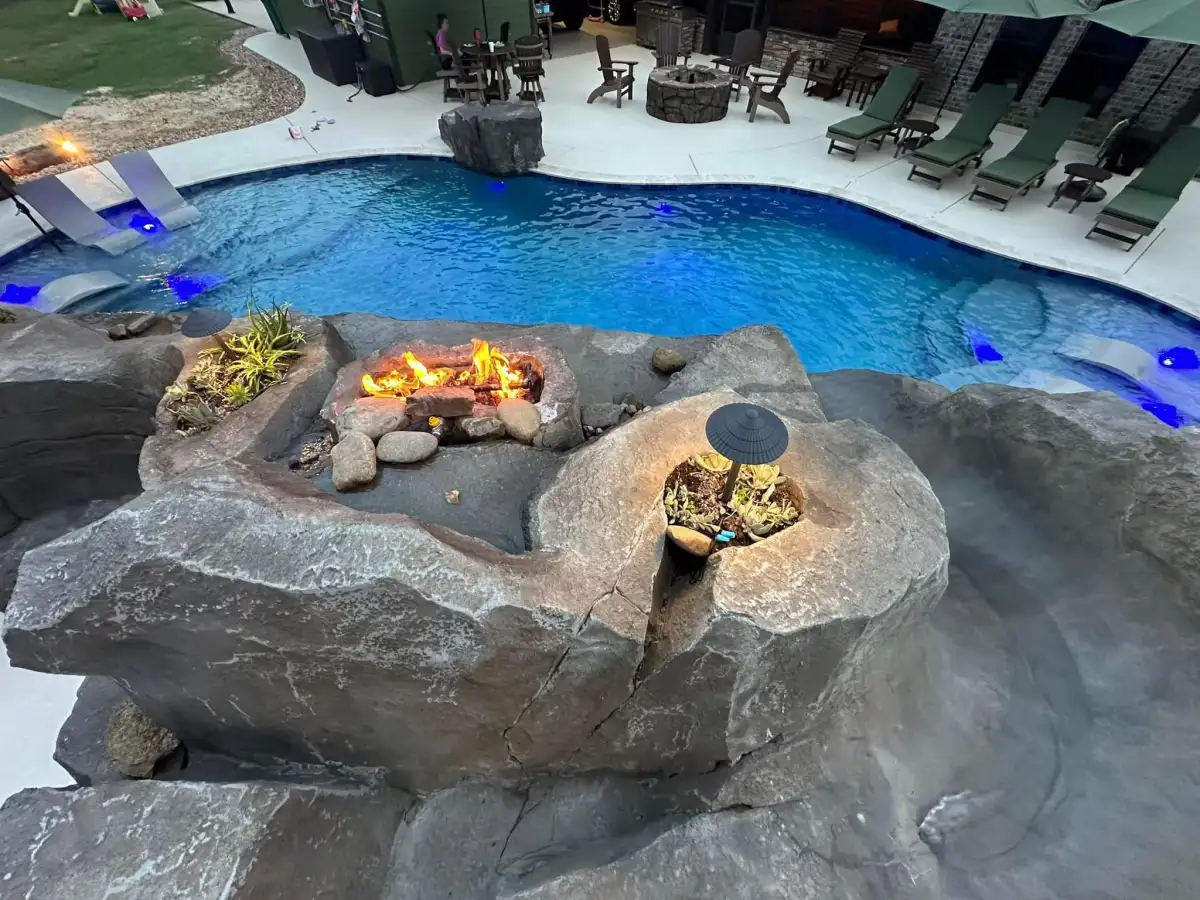
A Fire Rock is a sculpted concrete formation with gas burner lines integrated directly into the structure — flames appear to emerge from the rock itself. Built using the same 12,000psi shell and basalt reinforcement as our waterfalls. Gas lines are routed through concealed internal channels with hidden access points.
Fire Rocks can serve as standalone focal points, integrate into seating walls and outdoor kitchens, or combine with water features for dramatic fire-and-water installations.
Fire Bowls, Fire Pits & Fire-and-Water Combinations
Each fire feature is sculpted to your specifications. These are the primary configurations we build.
Fire Bowls & Fire Rocks
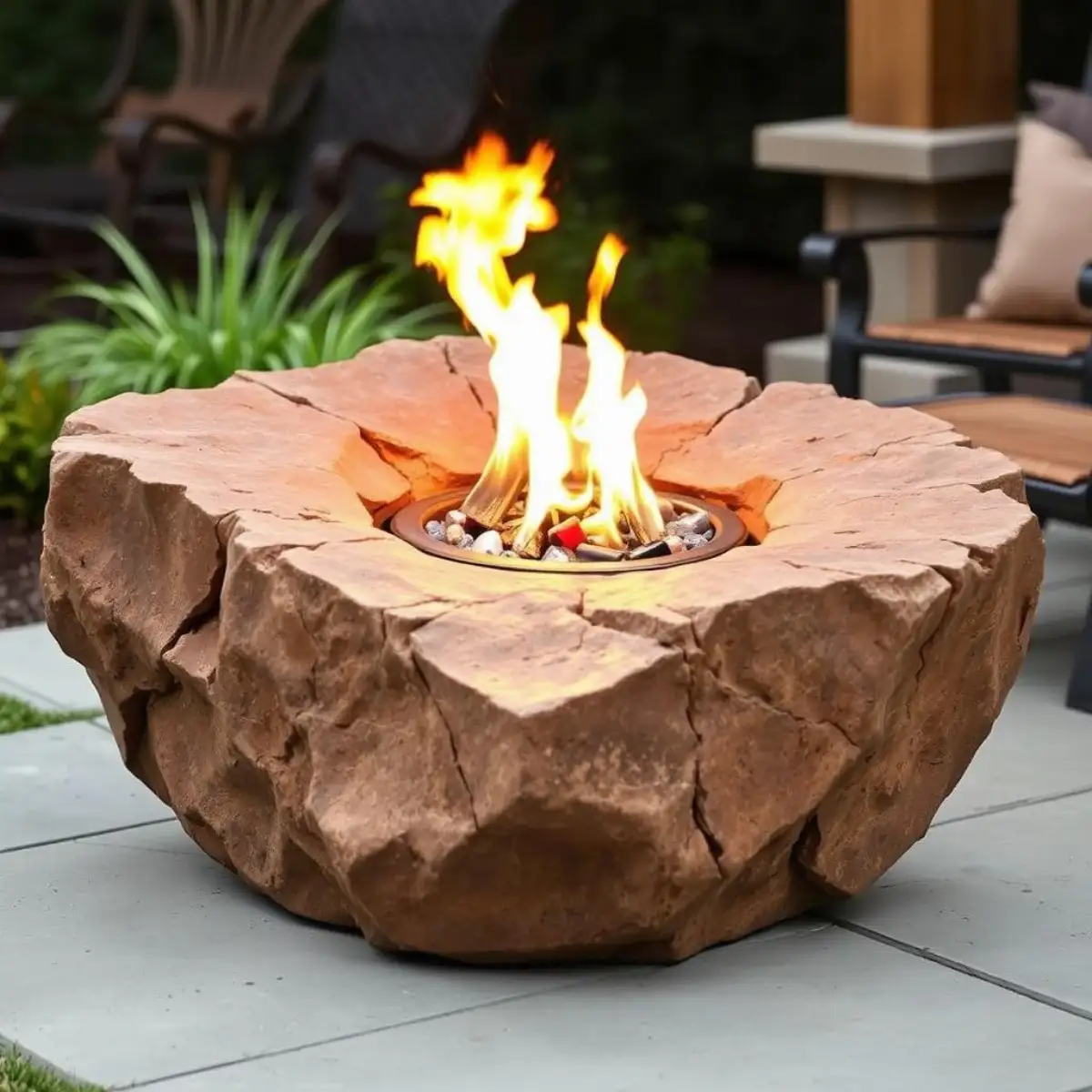
Elevated sculptural fire elements designed to serve as visual anchors. Mounted on pedestals, integrated into columns, or perched atop sculpted rock formations at pool edges, entryways, or patio corners. Gas burner systems produce a controlled, adjustable flame. Available in sizes from intimate 24-inch bowls to commanding 48-inch formations.
Design a Fire Bowl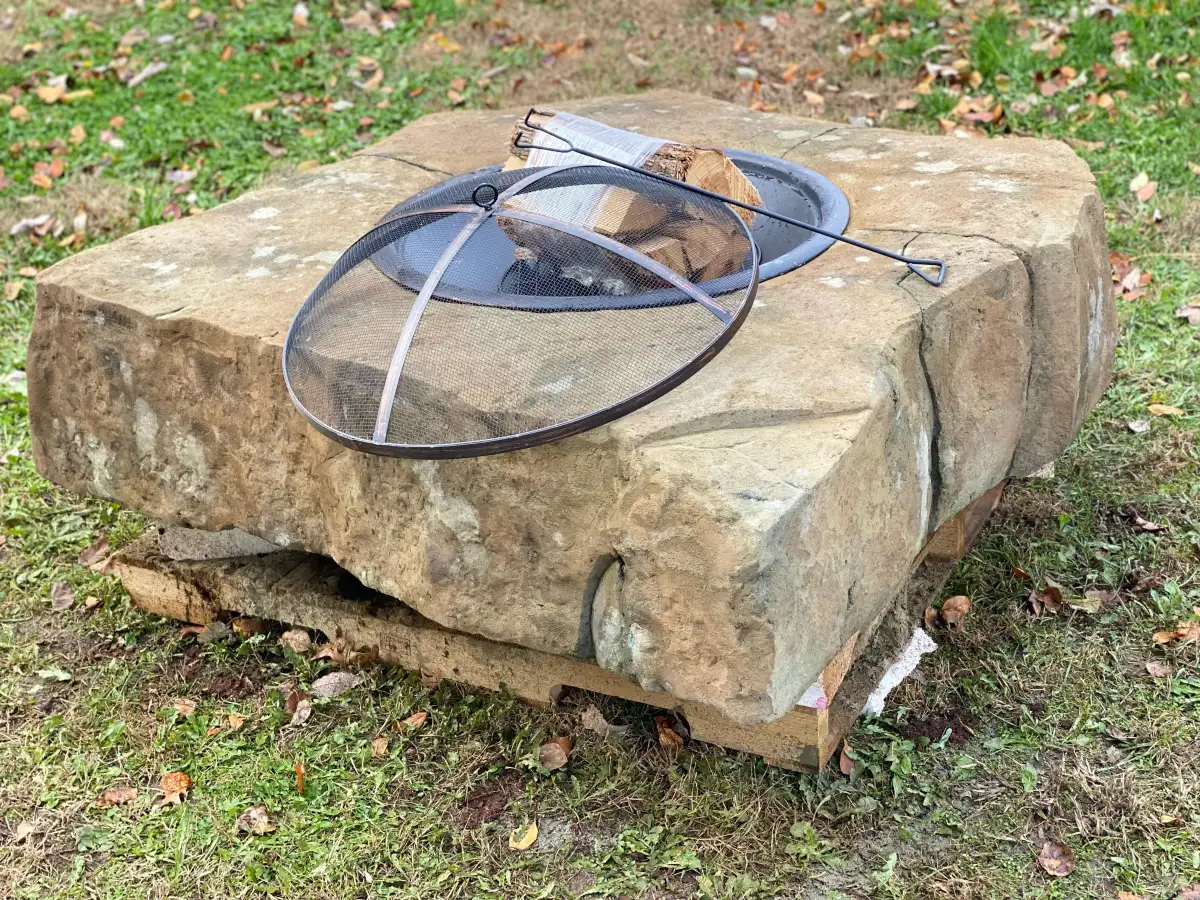
Sculpted Fire Pits
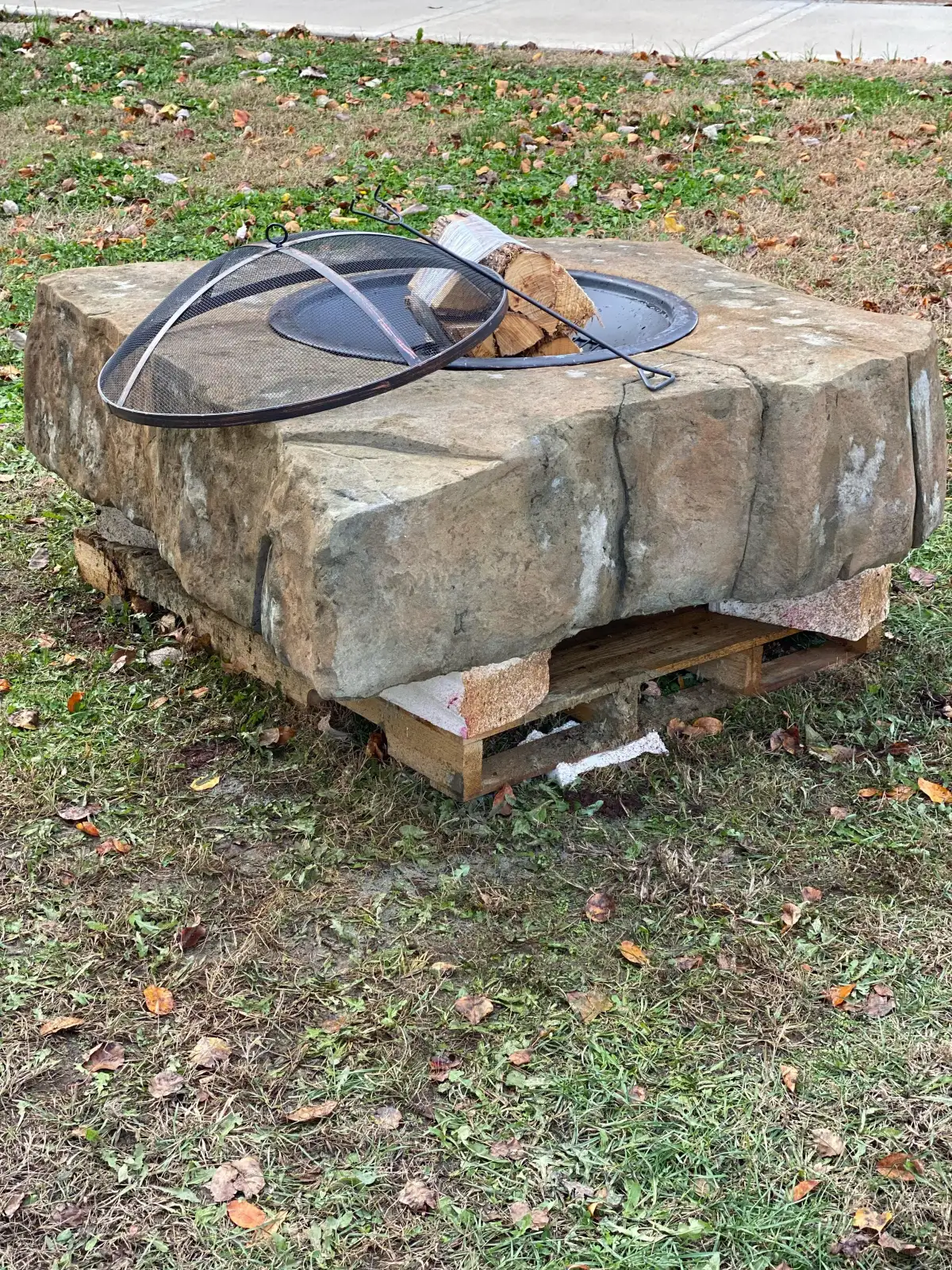
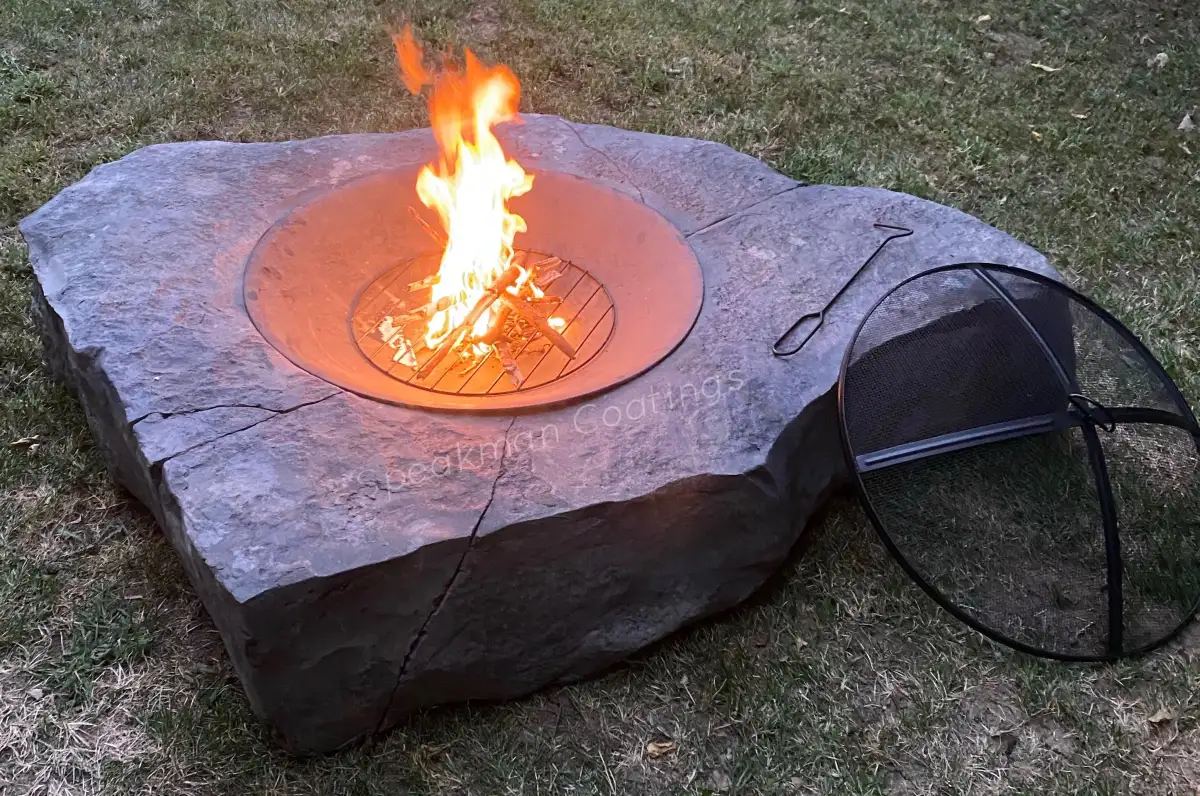
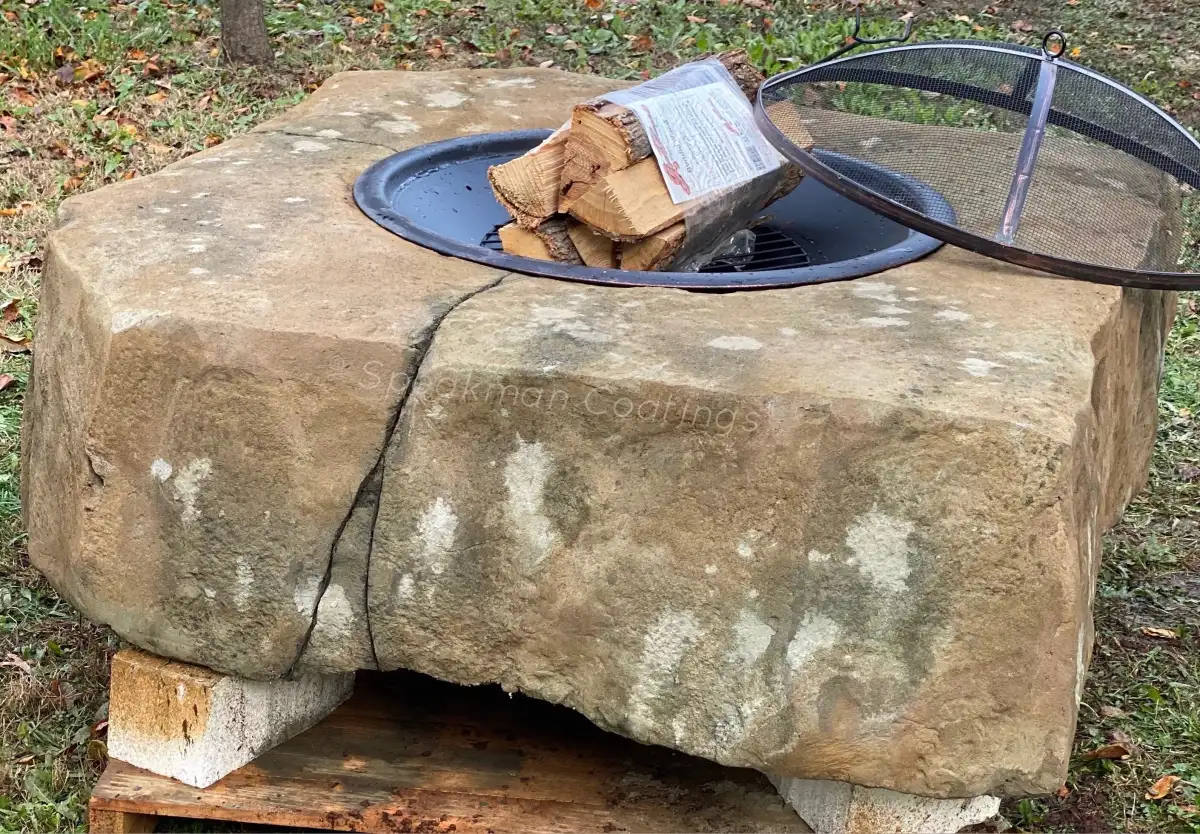
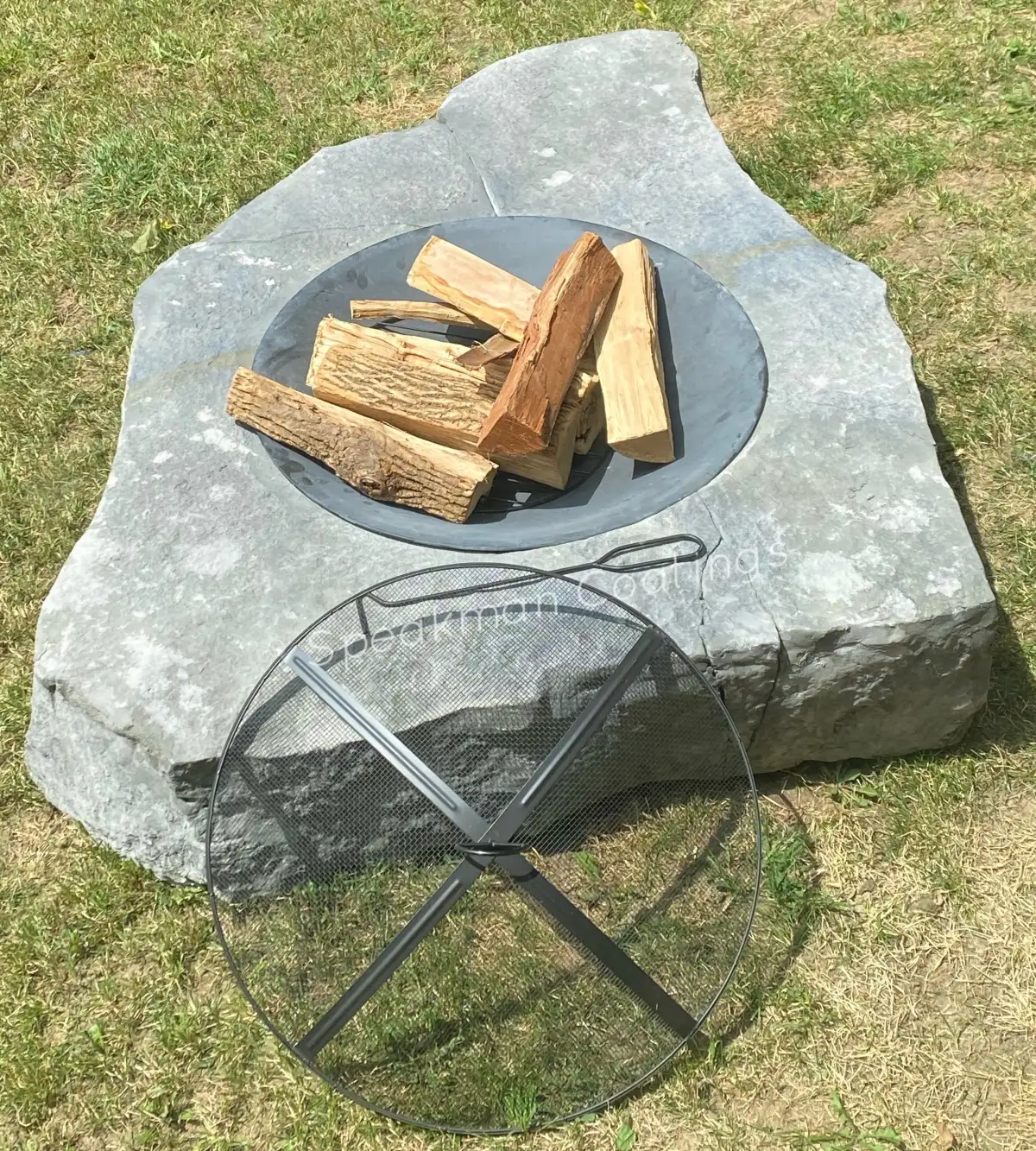
Ground-level or raised fire pit structures sculpted from concrete to match the aesthetic of your outdoor environment. Unlike prefabricated metal or stone-veneer fire pits, ours are monolithic — seamless, joint-free, and shaped to integrate with surrounding seating walls, planters, and hardscape. Gas or wood-burning configurations available.
Design a Fire Pit
Fire-and-Water Combinations
The most dramatic configuration we offer. Flames and cascading water share the same sculpted rock formation — fire emerging from the top while water pours down the sides into a catch basin or pool. The interplay of light, sound, and movement creates an environment that commands attention after dark. Gas lines and water plumbing are routed through separate internal channels.
Explore Fire & WaterNatural Gas vs. Propane — What We Recommend
Natural gas is preferred for permanent installations — unlimited fuel, consistent output, no tank storage. For properties without gas service, we design concealed propane tank enclosures within the sculpted formation. Wood-burning configurations are available for fire pits with a sculpted concrete firebox and stainless steel liner.
- Natural gas — unlimited supply, preferred for permanent builds
- Propane — concealed tanks within sculpted structures
- Electronic ignition — no pilot light, push-button or remote start
- Adjustable flame height via gas valve
- 12,000psi shell — withstands sustained heat exposure
- Concealed gas lines — no visible hardware
Fire Features as Part of a Larger Environment
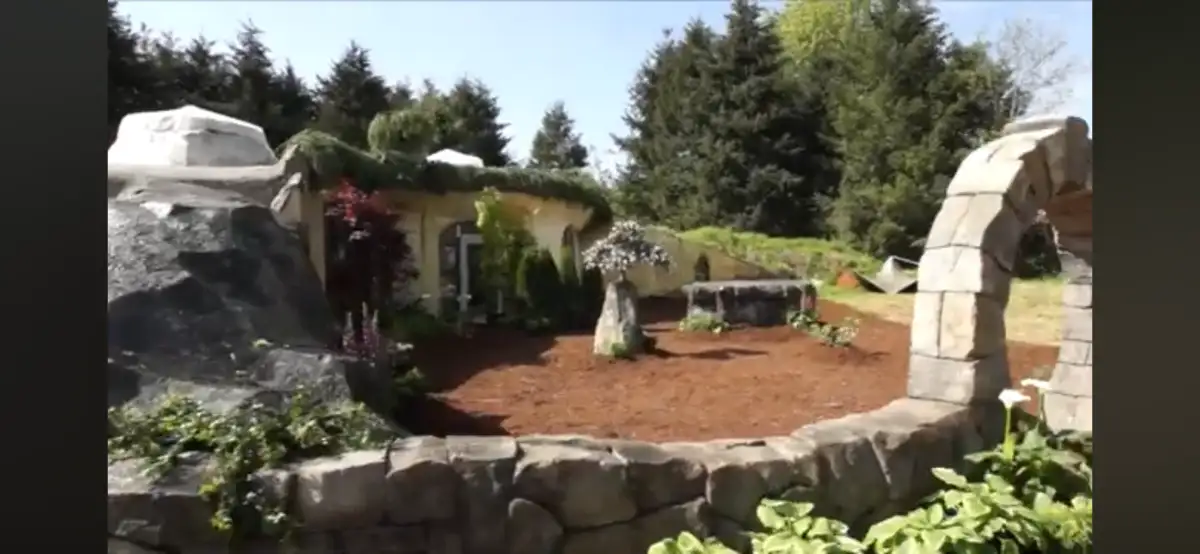
Fire features are most often part of a larger outdoor living build. Every element is sculpted from the same material, by the same hands — fire pit, seating wall, waterfall, and kitchen all read as one cohesive environment. Gas, electrical, water, and drainage are coordinated during the initial build.
Fire Feature Projects
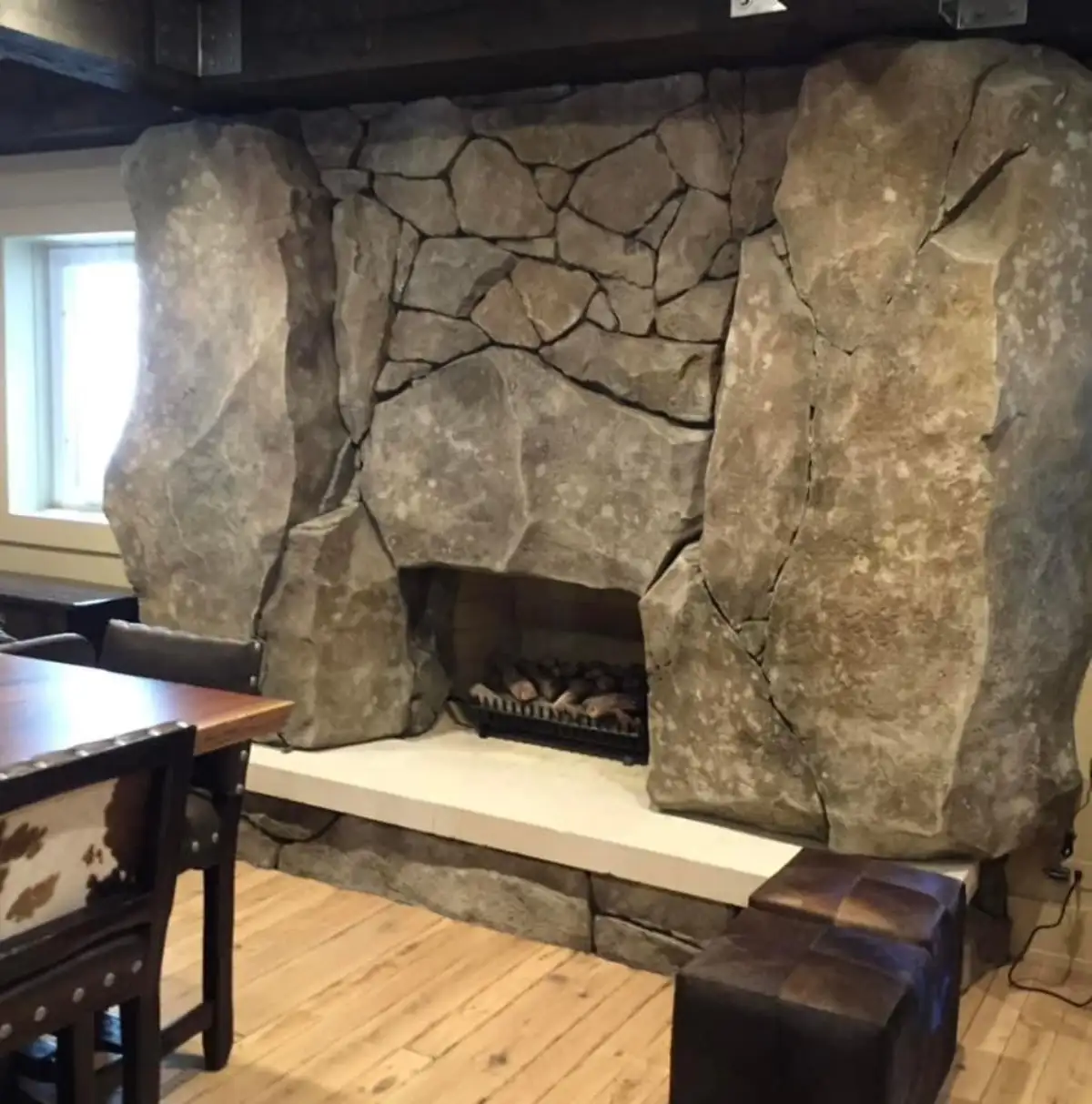
A selection of sculpted fire features from residential and commercial installations across the country.
Fire Feature FAQ
Answers to the questions we hear most about our sculpted fire features, gas systems, and safety considerations.
If your property has natural gas service, we recommend natural gas for all permanent fire feature installations. It provides unlimited fuel, consistent flame output, and eliminates the need for tank refills or storage. Propane is the right choice for properties without gas service — we design concealed tank enclosures within the sculpted structure or surrounding landscape so the tank is never visible.
Local fire codes dictate minimum clearances, which typically range from 10 to 25 feet from combustible structures depending on the fire feature size and fuel type. Fire features near pools require additional heat deflection considerations to protect pool coping, decking, and nearby equipment. We review your local code requirements during the design phase and position the feature for both safety compliance and optimal visual impact.
Gas fire features require very little maintenance. Annual inspection of the burner assembly, gas connections, and ignition system is recommended — a task that takes 15–20 minutes and can be performed by any qualified gas technician. The sculpted concrete structure itself follows the same maintenance schedule as our waterfalls: annual wash and seal inspection, with re-sealing every 3–5 years. Wood-burning configurations require firebox cleaning after each use and annual liner inspection.
The fire and water elements occupy separate zones on the same sculpted formation. The burner assembly sits above the waterline on a ledge or shelf that is sculpted into the rock, while water flows down channels carved below and alongside the fire zone. Drainage channels prevent water from reaching the burner. The visual effect is fire and water appearing to coexist on the same rock surface, but they are physically separated by sculpted barriers within the structure. The design is tested before the final mortar finish is applied.
In most jurisdictions, yes. Gas fire features typically require a gas line permit (handled by the licensed plumber), and some municipalities require a separate fire feature or outdoor fireplace permit. Wood-burning features have additional requirements related to spark arrestors and setback distances. We identify permit requirements during the design phase and coordinate with local authorities. The permitting process typically adds 1–2 weeks to the project timeline.
Commission Your Fire Feature
From a single Fire Rock at the pool edge to a full fire-and-water installation anchoring your outdoor living space. Tell us what you envision.