
Summer Pool Season Prep: When to Schedule Your Custom Waterfall Project
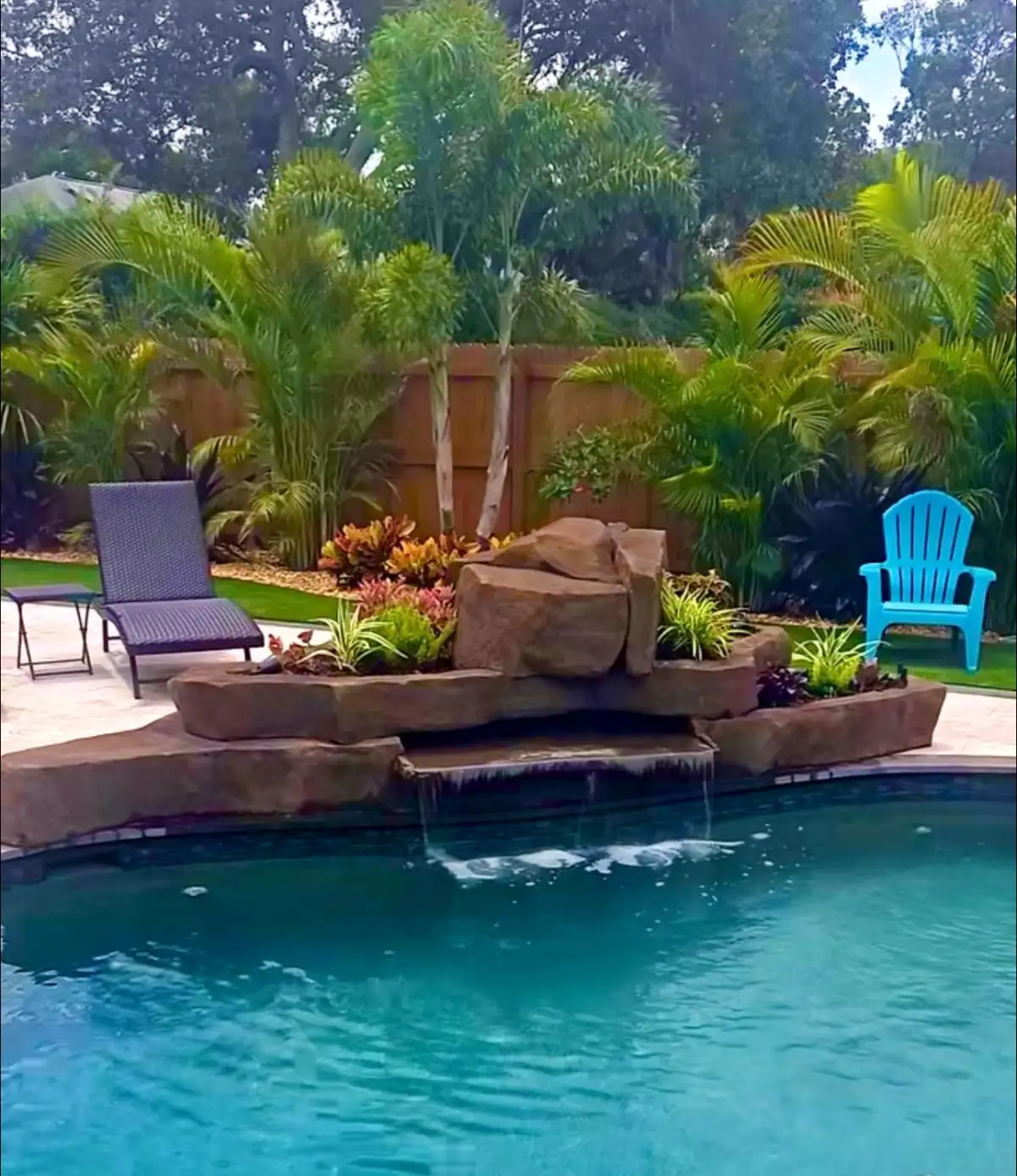
Summer is when you enjoy your pool. But summer is not when you should start planning a custom waterfall. Every year, we field dozens of calls from homeowners in May and June hoping to have a sculpted waterfall finished by the Fourth of July. The reality is that a hand-sculpted concrete waterfall — the kind we build at Boulder Legacies — requires 8 to 14 weeks from first conversation to running water. The best time to start planning is right now, with the goal of enjoying the finished result by late summer or next season.
This guide breaks down the timeline, the seasonal factors that affect construction, and why the most strategic time to begin a custom waterfall project is earlier than most people think.
Understanding the Custom Waterfall Timeline
A hand-sculpted waterfall is not a prefabricated product that ships in a crate. Every feature we build is engineered and sculpted on-site, specific to your pool geometry, landscape, and aesthetic goals. That process has a natural timeline that cannot be meaningfully compressed without compromising quality.
Phase 1: Design and Maquette (2-3 Weeks)
Every project begins with our Design Engagement — a commitment that covers the site assessment, design consultation, and creation of a 1-inch-to-1-foot scale clay maquette. This physical model lets you see and hold the waterfall design before a single bag of concrete is mixed. The maquette typically takes 7 to 10 days to sculpt after the site visit.
This phase is where the most important decisions happen. Scale, proportion, cascade angles, integration with existing structures, and sight lines from your primary viewing areas are all resolved in miniature before we commit to full-scale construction.
Phase 2: Permitting (1-4 Weeks)
Permit timelines vary dramatically by jurisdiction. Some municipalities process pool modification permits in a week. Others take a month or more, especially during the spring rush when every contractor in town is pulling permits simultaneously. In markets like Scottsdale and Austin, spring permit backlogs are common.
Phase 3: Construction (2-4 Weeks On-Site)
The on-site construction phase includes foundation work, EPS foam core shaping, basalt reinforcement placement, Structure Coat — 12,000 psi structural coating system — application, sculpting mortar texture work, waterproofing, densification, and final plumbing integration. A typical mid-scale waterfall requires 2 to 3 weeks of on-site work. Larger features with grotto elements or integrated polished slides can extend to 4 weeks or more.
Why Summer Is Not the Ideal Start Date
If you call us in June hoping to swim under a finished grotto by August, the math does not work in most cases. Here is why early summer is actually the most constrained time to begin:
Permit Backlogs Peak in Spring
Building departments across the country see their highest volume of permit applications between March and June. Landscape, pool, and hardscape contractors all file during this window. Starting your design phase in January or February means your permit application lands before the rush.
Concrete Curing and Heat
Extreme heat affects concrete curing. In markets like Las Vegas, Phoenix, and Dallas, summer surface temperatures can exceed 140 degrees Fahrenheit. While we engineer our mix designs and curing protocols for hot-weather concrete work, extreme heat requires additional precautions — wet curing blankets, adjusted pour schedules (early morning starts), and longer cure windows. These are manageable but add time to the schedule.
Builder Availability
Our build calendar fills months in advance. We are a specialty firm — not a franchise with interchangeable crews. Every waterfall is sculpted by the same hands that built the maquette. That level of continuity is what makes the finished product coherent, but it also means capacity is finite. Projects booked in winter for spring or summer construction get priority scheduling.
The Strategic Planning Calendar
Based on our experience building across multiple climate zones — from the Ozarks to Florida to the desert Southwest — here is the planning calendar we recommend:
Ideal: Start Design in Fall or Winter
If you want your waterfall operational by Memorial Day, begin the design process in October through December. This gives ample time for maquette development, client review, permitting, and scheduling construction for early spring. Your project hits the build calendar before the summer rush, and you are swimming under finished sculpted rock before the pool parties start.
Good: Start Design in January or February
A January start still positions you well for a late spring or early summer completion. Permits file before the spring backlog. Construction begins in March or April when temperatures are ideal for concrete work in most of our service areas.
Still Possible: Start Design Now (May)
If you are reading this in May, you have not missed your window — but you need realistic expectations. A design process starting now will likely yield a completed waterfall by August or September, depending on permit timelines and our current build schedule. For markets with mild fall weather — Nashville, San Diego, most of Florida — a September completion still gives you months of pool season.
Planning for Next Year
There is no wrong time to start a conversation. If your target is next summer, beginning the design process this fall positions you perfectly. The maquette and permitting happen over winter when builders, permit offices, and material suppliers are all less congested.
What You Can Do Right Now
Even if construction is months away, there are productive steps you can take this week:
- Document your space — Take photos of your pool from multiple angles, including the area where you envision the waterfall. Include shots from your house, patio, and primary seating areas so we can understand your sight lines.
- Research your aesthetic — Browse our gallery and save images of features that appeal to you. Knowing whether you gravitate toward dramatic cascades, natural rock formations, or clean modern lines helps us design faster.
- Check your equipment — Know your pool type (gunite, vinyl, fiberglass), approximate dimensions, and the location of your equipment pad. If you have original pool plans, even better.
- Understand what drives investment — Review our cost breakdown to understand what factors influence project scope. Custom waterfalls range from compact accent features to estate-scale environments with grottos and slides, and every project is priced individually.
Climate Considerations by Region
Because we build nationally, we account for regional climate factors that affect both construction scheduling and long-term performance:
Hot-Climate Markets (AZ, NV, TX)
Fall through early spring is the prime building window. Summer construction is possible but requires heat-mitigated curing protocols and early-morning work schedules. The tradeoff: these markets have nearly year-round pool seasons, so a fall-completed waterfall still delivers 8 to 10 months of annual enjoyment.
Temperate Markets (TN, MO, AR)
March through November is the construction window. The Midwest and Mid-South offer the most flexible scheduling because temperatures are moderate during the longest part of the year. Our home base in Southern Missouri gives us particular expertise with this climate zone.
Humid Markets (FL, GA, Coastal Carolinas)
Year-round construction is feasible, but summer afternoon thunderstorms can interrupt work. We schedule sculpting phases around weather patterns. Humidity actually benefits concrete curing — it slows the process, which produces a stronger final product.
Frequently Asked Questions
Can I use my pool during waterfall construction?
In most cases, yes. We install barriers to protect pool water from construction debris. The pool remains usable for most of the build process, with brief closures during plumbing integration and final testing.
How far in advance should I book?
Three to six months is ideal for scheduling. Our build calendar typically fills 2 to 4 months out during peak season. Starting the design phase early ensures your preferred construction window is available.
What if I want the waterfall ready for a specific event?
Tell us your target date during the initial consultation. We will work backward from that date to determine whether the timeline is realistic and build a schedule that accounts for design, permitting, and construction. We will be straightforward if the timeline is too tight — we do not rush sculpting.
Start the Conversation
The best time to plan a custom waterfall is before you need it. Whether you are targeting this fall, next spring, or simply exploring what is possible for your pool, the first step is the same: a conversation about your space, your vision, and your timeline.
No pressure. No generic proposals. Just a direct discussion with the builder who will sculpt your maquette and lead your project from concept to completion.
Tell us about your project or call (660) 383-6391 to start planning.